
From Inspiration Image to Buildable Reality: How We Help Designers Turn Creative Concepts Into Custom Sculptural Installations
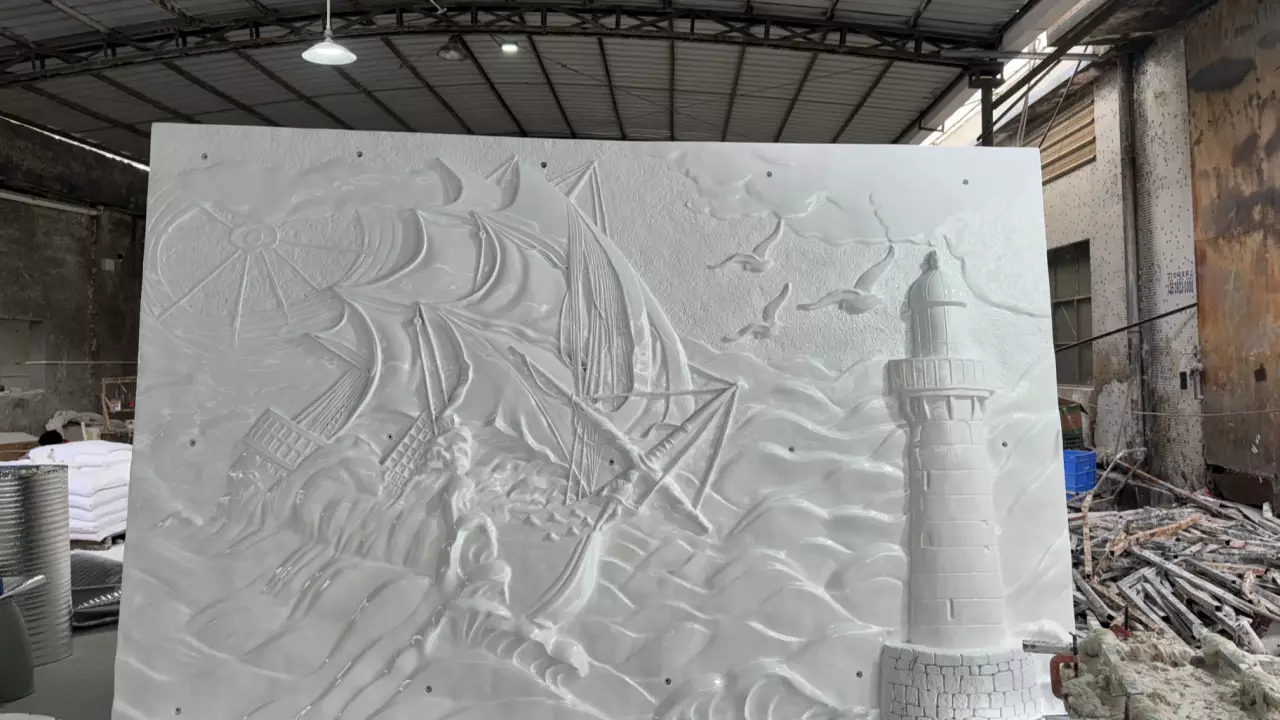
In the world of custom sculptures, feature walls, decorative installations, and artistic architectural elements, designers often begin with a simple inspiration image rather than a complete production drawing. The challenge is not finding ideas. The challenge is transforming those ideas into something that can actually be manufactured, installed, and integrated into a real project.
This is where many projects encounter difficulties.
Recently, a client provided us with an inspirational image featuring a large-scale sculptural wall artwork, in which a seascape emerges from flowing organic textures. The image captured the artistic atmosphere the designer wished to achieve, but it was merely a visual reference—lacking any dimensions, structural details, material specifications, or installation plans. Our task was to transform this inspiration into a practical design solution that would both accommodate the client’s actual site conditions and preserve the original concept’s artistic intent.
Step 1: Understanding the Design Intent
When designers send us an inspiration image, our first goal is not to discuss production. Our first goal is understanding what attracted them to the image.
- Is it the overall composition?
- The texture?
- The emotional expression?
- The material appearance?
- The visual impact from a distance?
This client is a real estate developer designing a beachside resort. In this interiors project, the most important elements are clearly the lighthouse and the sailboat, naturally emerging from an organic environment. Flowing lines surrounding the ocean create a sense of movement and establish a connection with nature. Understanding the design intent allows us to protect the most important visual elements throughout the development process.
Step 2: Adapting the Concept to Real Site Conditions
A common mistake in custom projects is trying to copy an inspiration image exactly.
In reality, every project has unique requirements:
- Different wall dimensions
- Different viewing distances
- Different structural conditions
- Different budgets
- Different installation methods
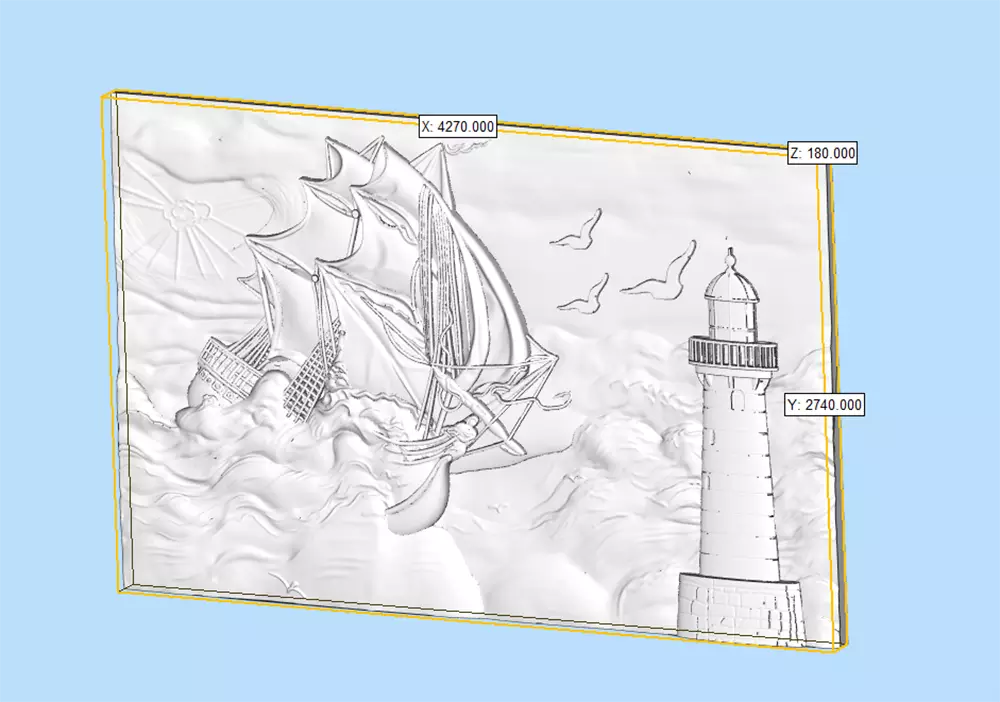
Instead of directly reproducing the reference image, we redesigned the artwork specifically for the client’s site. Based on the available wall dimensions and surrounding architecture, our design team created a new 3D concept that maintained the spirit of the original artwork while fitting perfectly within the project’s physical constraints.
This stage is critical because great design is not about copying. It is about adaptation. A sculpture that looks impressive in a rendering may not work in a real building if scale, proportion, and viewing angles are ignored.
Step 3: Converting Art Into Manufacturable Geometry
Many artistic concepts contain details that are visually attractive but extremely difficult to produce.This is where engineering becomes part of the creative process.
Our team evaluates:
- Relief depth
- Surface transitions
- Structural stability
- Material thickness
- Production feasibility
- Transportation requirements
- Installation accessibility
By combining artistic modeling with manufacturing expertise, we create geometry that can be produced accurately without losing the original visual impact. For designers, this means fewer compromises during production.
Step 4: Material Selection and Surface Development
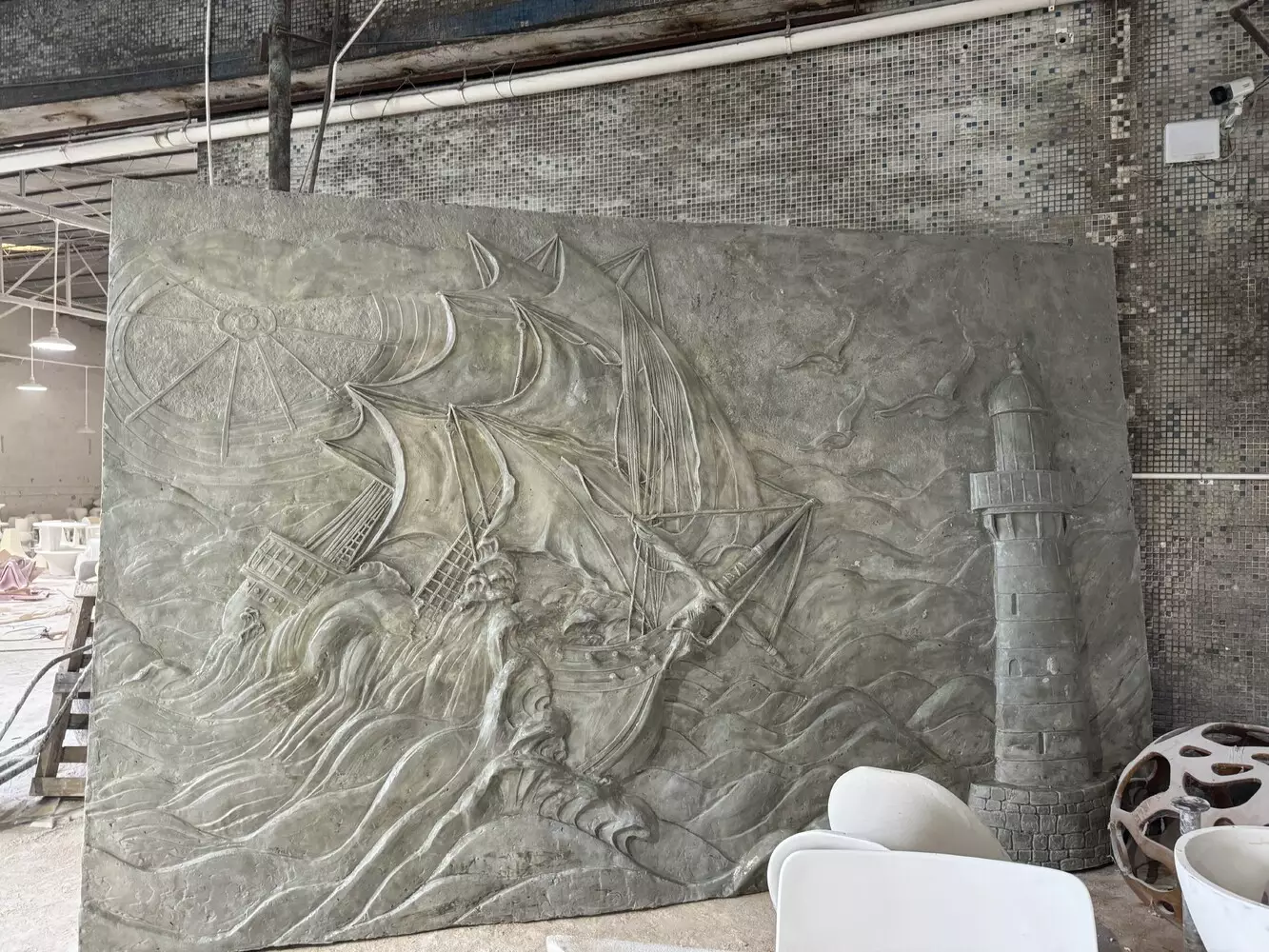
The visual impact of a sculptural installation is significantly influenced by material selection and surface treatment techniques. Depending on project requirements, we can use the following materials to create custom sculptures and feature walls:
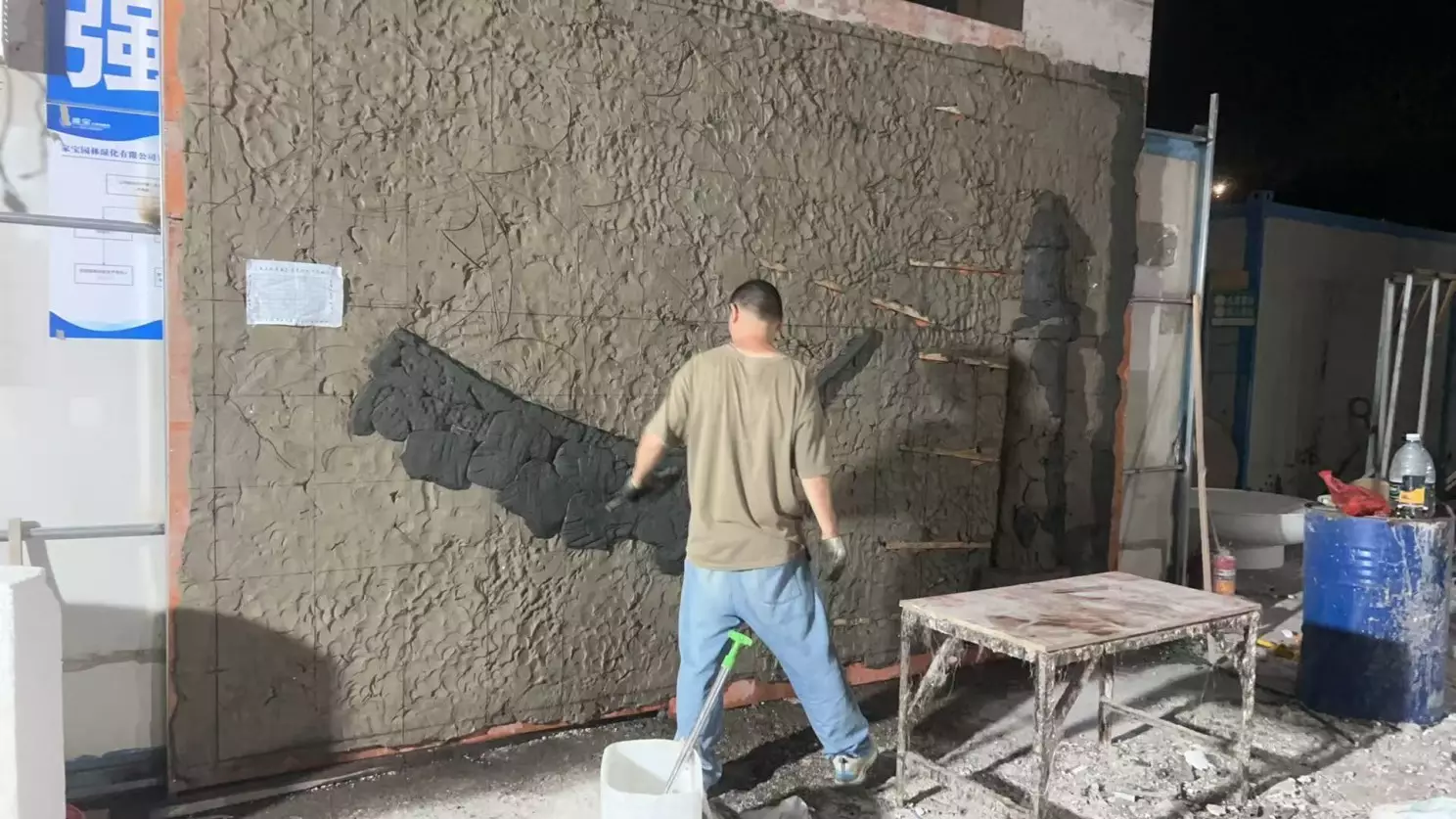
- Clay sculpture with fine detailed carving
- Fiberglass (fiber-reinforced plastic) resin
- Wood and steel used for internal structure
For this type of organic sculptural artwork, special attention is given to texture formation and surface treatment. The goal is not merely to create a sculpture, but to produce the emotional experience that the designer originally envisioned.
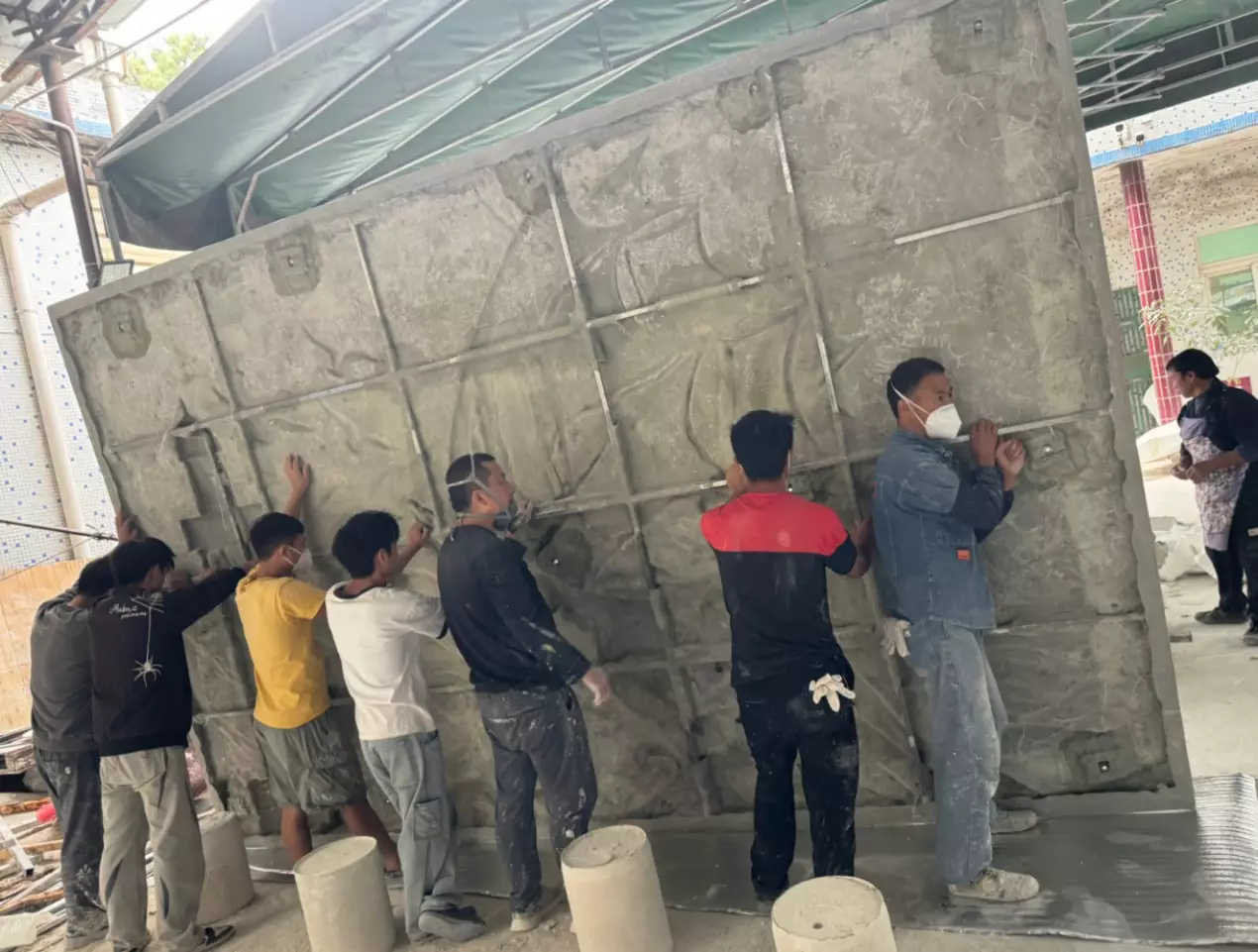
Step 5: Installation Planning Before Production
One of the biggest risks in large decorative installations is discovering installation problems after manufacturing has been completed.
To avoid this, we consider installation requirements from the very beginning.
Questions such as:
- How will the artwork be divided into sections?
- How will it be transported?
- How will it connect to the wall?
- What maintenance access is required?
- What tolerances must be considered on site?
These details are incorporated into the design process before production begins.This approach significantly reduces installation risks and helps projects move more smoothly from factory to site.
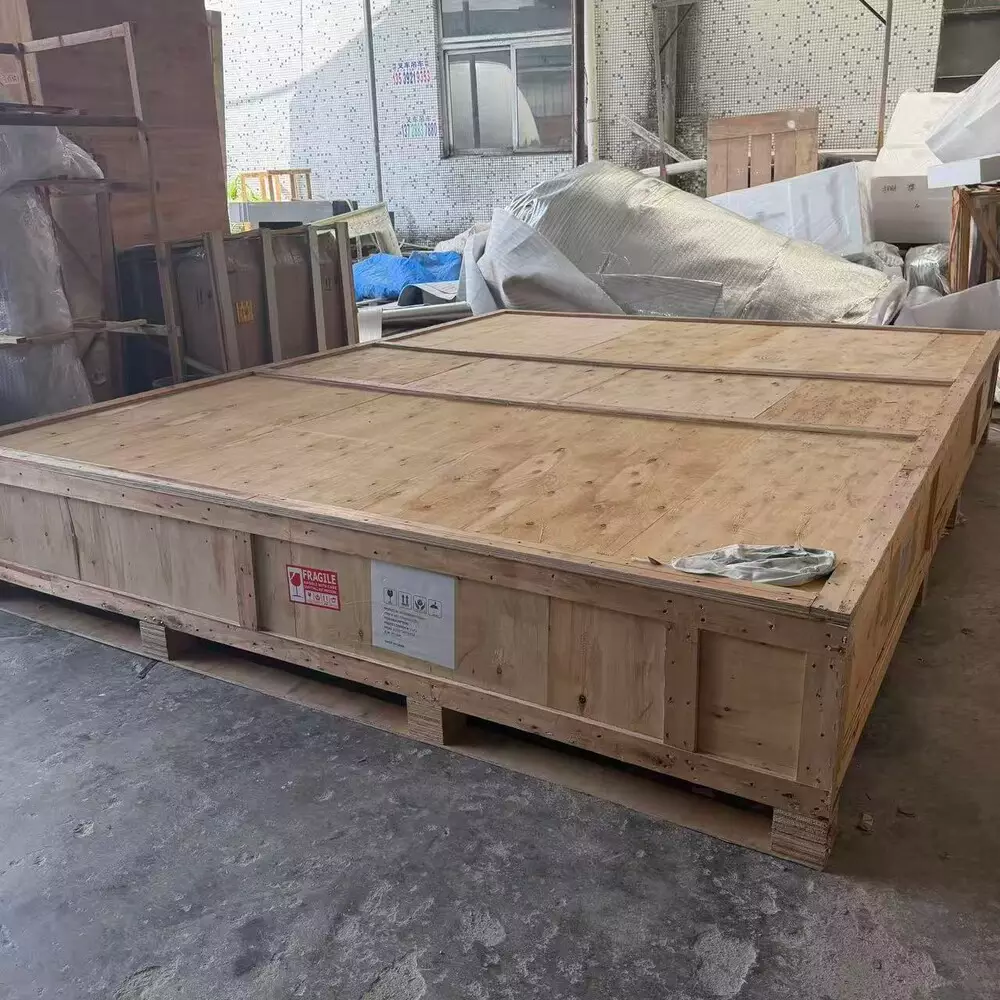
More Than Manufacturing
Many suppliers can manufacture a sculpture when complete technical drawings are provided.
What makes custom projects different is that designers often do not start with complete technical drawings.
They start with an idea.
- A sketch.
- A rendering.
- A mood board.
- Or simply an inspiration image.
Our role is to bridge the gap between creative vision and practical execution.
We help designers transform artistic concepts into buildable, manufacturable, and installable solutions while preserving the essence of the original design.
Whether the project involves interior feature walls, commercial decorative installations, hospitality artwork, public sculptures, landscape features, retail environments, or architectural statement pieces, successful execution requires more than production capability.
It requires understanding design.
Let’s Discuss
For designers, architects, and creative studios working on custom sculptures or artistic installations:
Have you ever found an inspiration image that perfectly captured your vision, but struggled to find a manufacturer capable of bringing it to life?
I’d love to hear about the biggest challenge you’ve faced when transforming a concept into reality.